Mar 4, 2016
mustardwithmutton

3 comments

Coffee & Walnut Cake

Old Fashioned English Coffee & Walnut Cake

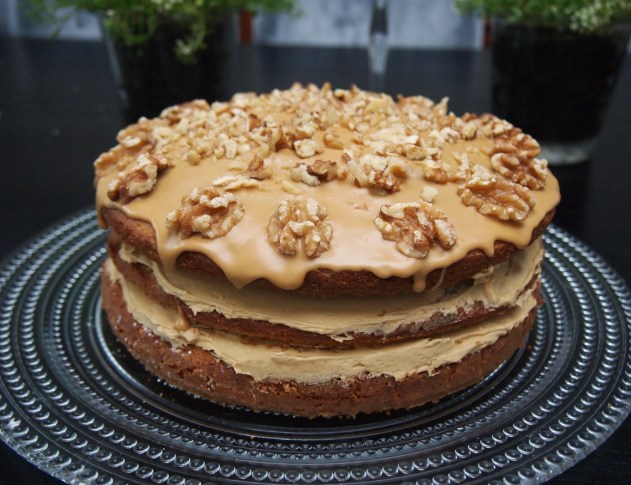
The term “coffee cake” in America usually refers to any type of cake that would be good served with a cup of coffee, it doesn’t necessarily mean that the cake contains any coffee. The coffee cake in this recipe however, whilst it is fantastic with a cuppa, is the old-fashioned English fair stall type of coffee cake which means exactly that – cake that has coffee in it. I have a strange relationship with sweets, I can easily resist ordering dessert when we eat out, yet one thing I am partial to is a lovely piece of cake of a morning or afternoon. Not that I do this every day, but if I did, this would be the kind of cake I would crave. Moist and delicious with a lovely crumb, a wonderful coffee aroma and a nice bit of texture from the walnuts. The layers of coffee and walnut sponge are sandwiched together with coffee buttercream and then a glacé coffee icing finishes the cake off. So you can see what I mean when I say this is a “real” coffee cake. If you are serving this to children who enjoy coffee flavour but don’t want the caffeine hit then just replace the coffee with decaffeinated.

Ingredients – makes 1 x two layer cake (if you want 3 layers increase the ingredients x 1.5)
Adapted from River Cottage Cakes

200g plain flour
1½ tsp baking powder
200g unsalted butter, cut into small pieces and softened
100g light soft brown sugar
100g caster sugar
3 eggs, at room temperature
50ml coffee essence (or 1 tbsp instant coffee dissolved in 1 tbsp boiling water, or 3 tbsp very strong fresh coffee)
100g chopped walnuts
25-50ml milk

For the Butter Cream
60g unsalted butter, cut into small pieces and softened
125g icing sugar, sifted
10ml coffee essence (or 2 tsp instant coffee dissolved in 2 tsp boiling water or 1 tbsp strong fresh coffee)

For the Icing
200g icing sugar
2 tsp coffee essence (or 2 tsp instant coffee dissolved in 2 tbsp boiling water, or 1 tbsp strong fresh coffee)
Whole walnuts and chopped walnuts for decorating

Method

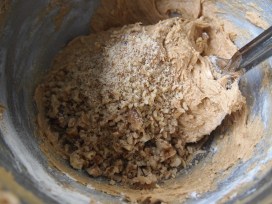
Preheat the oven to 180C. Butter 2 x 8″ cake tins (or 3 tins if you’re making a 3 layer cake) and line the bases with baking paper. Sift the flour and baking powder together and set aside. In a large mixing bowl, using either a wooden spoon or a hand-held electric whisk, beat the butter to a cream. Add the brown and caster sugars and beat until light and creamy. Add the eggs, one at a time, adding 1 tablespoon flour with each and beating thoroughly before adding the next. Stir in the coffee essence. Now carefully fold in the remaining flour, half at a time, with a large metal spoon. Fold in the chopped walnuts, and sufficient milk to give a soft dropping consistency.
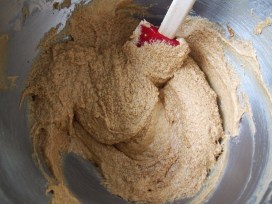
 

Spoon the mixture into the prepared tins, spreading it out evenly with the back of the spoon. Bake in the oven for 25-30 minutes until the tops are a light golden brown and the cakes spring back into shape when gently pressed. Leave in the tins for 10 minutes before turning out to cool on a wire rack.
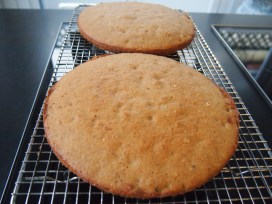
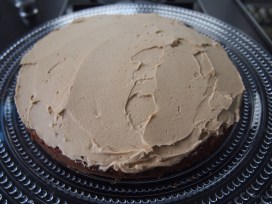
 English Coffee & Walnut Cake

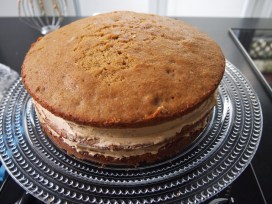
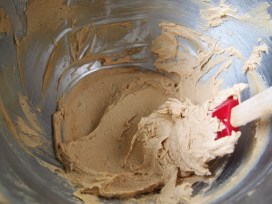
Meanwhile, prepare the buttercream. Beat the butter to a cream, add the icing sugar and the coffee essence and beat until light and creamy. To make icing for the topping, sift the icing sugar into the bowl, add the coffee essence and 1-2 tbsp boiling water, and mix until thick. Spread one of the cooled cakes with the buttercream. Sandwich together with the second cake and cover the top with the icing. Decorate with the whole and chopped walnuts.
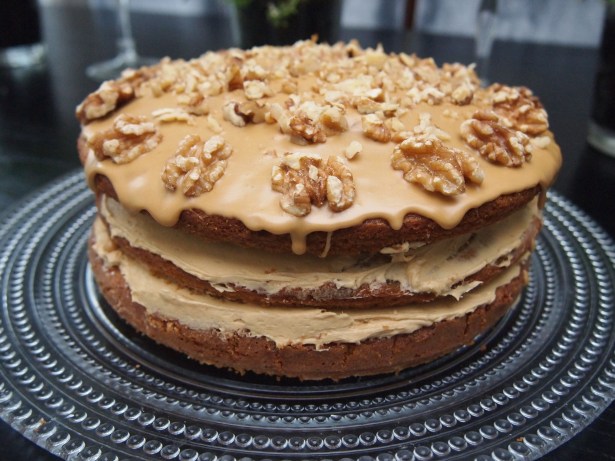
Best Ever Coffee & Walnut Cake

Feb 25, 2016
mustardwithmutton

8 comments

Persian Cooking Classes

ancien_persian_reception

For those of you located in Sydney, I am excited to announce that I will be conducting Persian cooking classes at my home in the Eastern Suburbs starting in April.  This has been on my wish list for such a long time and I can’t wait to get hands on with you and share my passion for Persian cuisine. The dates for the first two classes are:

Saturday 2 April from 11.00 am- 2.30 pm

Friday 8 April from 10.00 am – 1.30 pm

The lessons will be part demonstration, part hands on, in small groups (minimum of 4 and a maximum of 6). I am also happy to book the class exclusively for a birthday celebration or other group event.

For the initial lessons the menu will consist of typical family style Persian meals. The sort of food that I grew up eating and which my mother would refer to as “every day” meals but which in fact are quite exotic. You’ll learn how to cook a delicious appetiser, a wonderful koresht (Persian stew) accompanied by perfect Persian rice, and a few simple side dishes. The lesson will conclude with lunch where you can sample all of the dishes we’ve prepared.

Both the above dates will feature the same menu but more dates will be released shortly which will feature different themes and recipes.

Course prices are $90 per person including lunch, wine, all recipes and a little something for you to take home.

Please use the contact tab above to express your interest, which date you would like to attend or any other questions you may have. I am so looking forward to hosting you in my home.

Persian Cooking Classes at Home Sydney

Feb 19, 2016
mustardwithmutton

5 comments

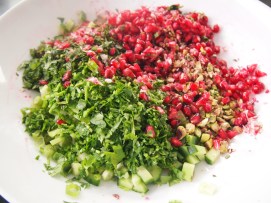
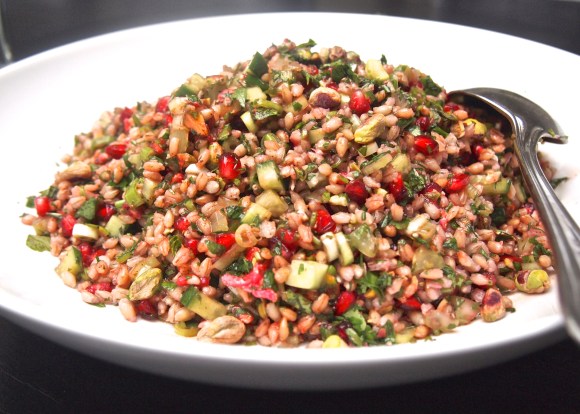
Rick Stein’s Pearl Barley Salad with Pomegranate & Herbs

Rick Stein Freekeh & Pomegranate Salad

This is another recipe from Rick Stein’s latest book From Venice to Istanbul. The salad originates from Turkey and is called Kisir. I recently served it as part of a Middle eastern dinner which included another recipe from the same book – baked pumpkin with crispy onions and tomato. This salad makes for a lovely light and refreshing side dish. The addition of the pomegranate adds a nice tangy note and it was great in cutting through some of the richness of the slow cooked lamb I served alongside it. I’ve adjusted some of the amounts in the recipe below as I think the dressing needed more of a pomegranate molasses kick. You can make this salad using either pearl barley or freekeh. Freekeh is dried green wheat, harvested while the grains are still soft, then sun-dried. It is very common in the Middle East and is probably what they would use in Turkey but pearl barley is similar in texture, taste and size and is easier to source. There isn’t much this salad wouldn’t pair well with – anything from lamb, poultry or seafood and is especially good as a side salad for grilled meats.
Ingredients – Serves 4 as a side dish   Adapted from Rick Steins From Venice to Istanbul

200g pearl barley or freekeh
5 tablespoons olive oil
4 spring onions, white and green parts finely sliced
1 pomegranate, seeds only
1 Lebanese cucumber, unpeeled but deseeded and finely diced – optional
Large handful flat leaf parsley, roughly chopped – about ½ a cup
Large handful mint, roughly chopped – about ½ a cup
3 tablespoons pomegranate molasses
4 tablespoons pistachios, lightly toasted and finely chopped
Salt and freshly ground black pepper

Method

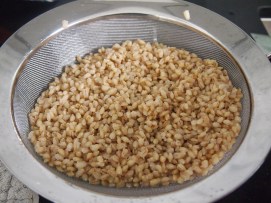
Put the freekeh or pearl barley and 1 litre of water in a pan together with 1 teaspoon of salt and 1 tablespoon of the olive oil. Bring to the boil, then turn down to a simmer and cook for 15-20 minutes until just tender. Drain and allow to cool.

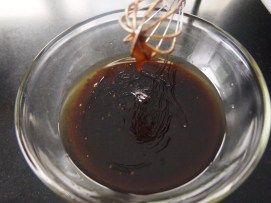
Pearl Barley for Salad  Pomegranate Dressing

When cool, mix together the pearl barley/freekeh with the spring onions, pomegranate seeds, diced cucumber, herbs and half the pistachios. Season with well with salt and pepper. Whisk together the remaining 4 tablespoons of olive oil and the pomegranate molasses with a pinch of salt, and dress the salad with it, mixing gently. Taste for seasoning and serve topped with the remaining pistachios.
Turkish Pearl Barley Salad with Pomegranate & Herbs

Feb 9, 2016
mustardwithmutton

no comments

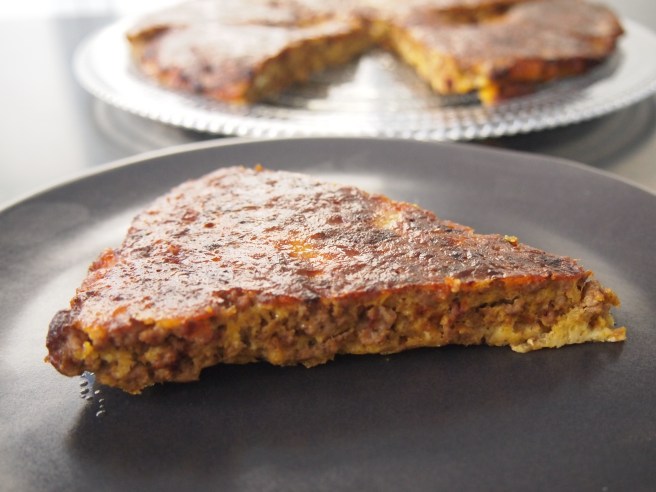
Kookoo Goosht – Persian Meat Frittata

Kookoo Goosht - Persian Meat Frittata

Kookoo are a popular Persian meal or snack and are best described as a kind of Frittata. You can get a vast variety of different kookoo, one of the most popular being kookoo sabzi which is made with copious amounts of fresh herbs and eggs and is nearly always on the menu for Persian New Year (Nowruz). The other kookoo which I’ve posted and love is kookoo baghali which is made with broad beans and dill. This time I’m sharing the other kookoo that we eat at home regularly, kookoo goosht. You can use any type of lean minced meat you like but it is traditionally made with minced lamb. I like to mince the lamb myself to ensure that it is very lean but you can substitute it with beef, chicken or even turkey. Kookoo can be eaten hot or at room temperature. They make a great lunch with a side salad and some flat bread but I also like to serve them as an appetiser to a Persian meal or as a side dish.

Ingredients – Makes one 30cm cookie which can be sliced into 8 pieces

2 small white onions finely diced
Vegetable oil, something neutral tasting such as sunflower oil or rice bran oil
½ teaspoon turmeric
700g lean minced lamb – you can substitute with beef, chicken or turkey
6 extra-large eggs. organic or free range if possible
Salt & freshly ground black pepper

Method

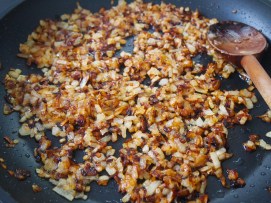
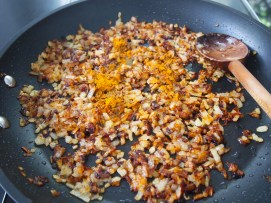
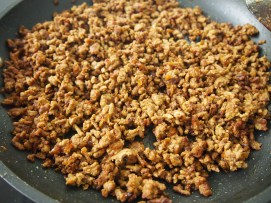
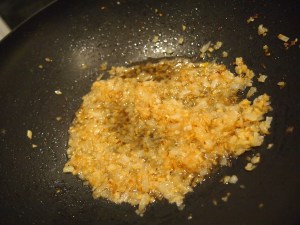
Heat a few tablespoons of oil in a 30cm non stick fry pan. When the oil is hot add the onions along with a pinch of salt and cook until caramelised and golden brown. Add the turmeric and stir and cook for a couple of minutes. Add the mince and turn the heat up slightly and cook the meat, making sure it is well crumbled and separated, until the meat has changed colour, is starting to brown and all the juice from the meat has evaporated. Remove from the heat, season well with salt and pepper and allow to cool.

Onions for Kookoo Kookoo Goosht

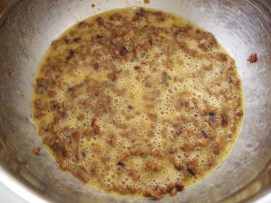
In the meantime break the eggs into a large bowl and whisk until the yolks and whites are combined. When the meat has cooled add it to the eggs and stir through. Heat the same frypan (no need to wash it) over medium heat and add enough oil to cover the base of the pan by a ½ centimetre. Add the mince and egg mixture, spreading it out evenly over the base of the pan, especially the sides. Turn the heat to low and cook covered with a mesh cover (an oil splash guard is ideal) for 30 minutes. The reason behind the mesh cover is that it lets a little bit of evaporation occur while keeping the heat level just right.

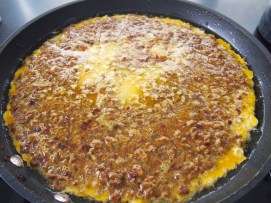
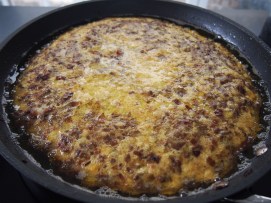
Kookoo Goosht Kookoo Goosht

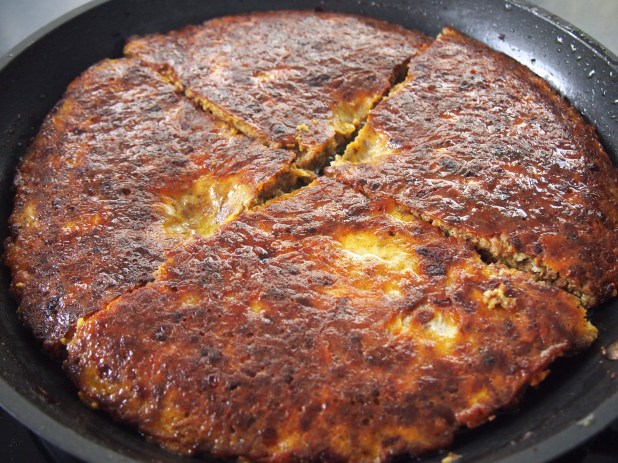
After 30 minutes the kookoo should be just set and ready to flip over. I find the easiest way to do this is to cut the kookoo in the pan into four even slices and then flip each slice over. Continue to cook on the other side for 5 more minutes by which time the kookoo will be completely set. Serve straight away or allow to cool and serve at room temperature.

Kookoo Goosht - Persian Meat Frittata

Jan 29, 2016
mustardwithmutton

no comments

Cinnamon Raisin Buns

Best Ever Cinnamon Raisin Buns
A while ago I posted a recipe for one of the easiest homemade breads I’ve ever made – Asian milk bread, which I used to make ham and cheese buns. There are so many ways that this basic dough recipe can be used, and as promised, here is another incarnation using the same basic milk bread dough. These buns are as soft and pillowy and sweet and delicious as they look. This clever dough replicates all the great qualities of a brioche although it contains no butter and is far simpler to make than a traditional brioche dough. These buns are perfect with a cup of tea or coffee in the morning or afternoon and even as a cheeky breakfast. Next time I make this amazing dough it will be for hot dog and hamburger buns which I think will work a treat as the dough is firm enough to hold a substantial filling but soft and yielding at the same time.

Ingredients – Makes 12 buns  Adapted from Woks of Life

For the bread dough:
⅔ cup cream (at room temperature)
1 cup, plus 1 tablespoon milk (at room temperature)
1 large egg (at room temperature)
⅓ cup sugar
½ cup cake flour, or ½ cup plain flour with ½ a tablespoon on flour removed and replaced with corn flour
3½ cups bread flour or plain flour
1 tablespoon active dry yeast
½ teaspoon salt
To finish the buns:
2 tablespoons sugar
2 teaspoons cinnamon
½-⅔ cup raisins
1 large egg, beaten with 1 tablespoon water to form an egg wash
simple syrup: 1 tablespoon sugar dissolved in 1 tablespoon hot water

Method

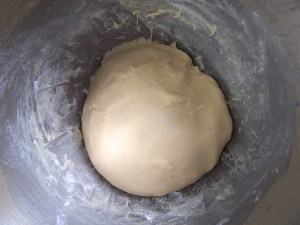
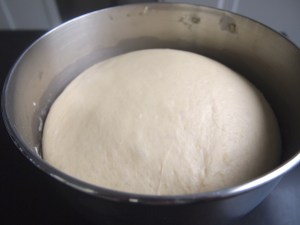
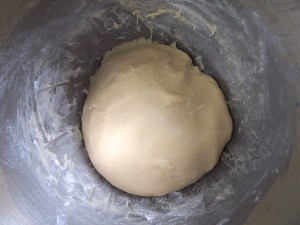
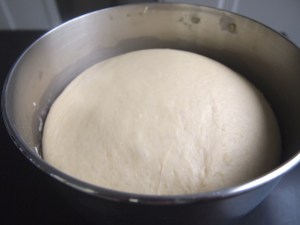
Start by making the bread dough. In the bowl of a mixer, add the cream, milk, egg, sugar, cake flour, bread flour, yeast, and salt (in that order). Using the dough hook attachment, turn on the mixer to “stir.” Let it go for 15 minutes, occasionally stopping the mixer to push the dough together. After 15 minutes, the dough is ready for proofing. Cover the bowl with a damp towel and place in a warm spot for 1 hour. The dough will grow to 1.5 times its original size.

Asian Milk Bread Dough Asian Milk Bread Dough

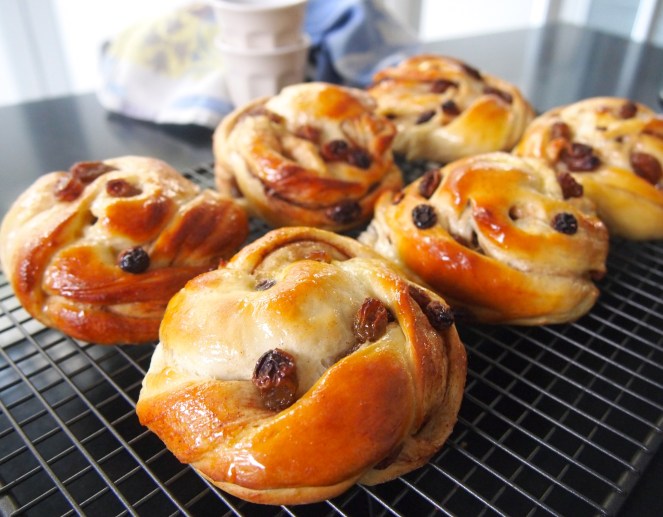
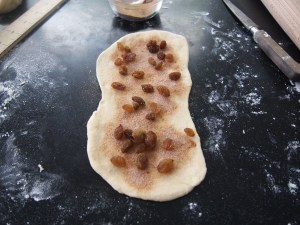
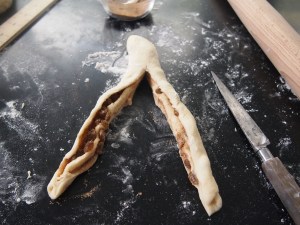
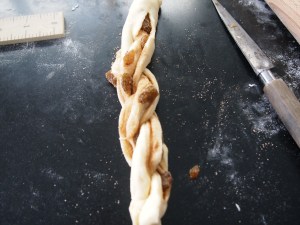
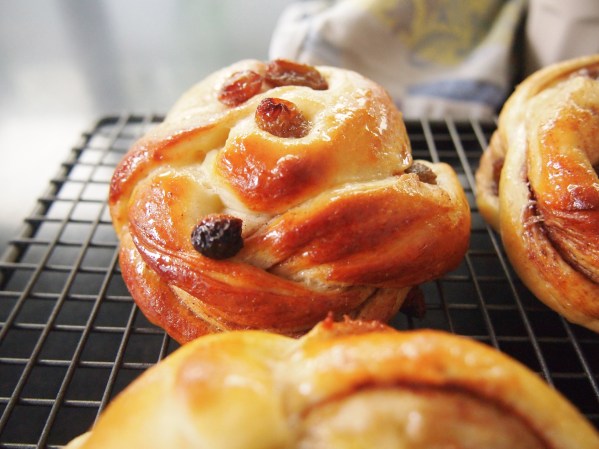
After the bread dough has proofed for an hour, put the dough back in the mixer and stir for another 5 minutes to get rid of air bubbles. Dump the dough on a lightly floured surface and cut into 12 equal pieces. Roll out each piece into a rough 8×4 inch rectangle. Sprinkle with cinnamon sugar and dot with a few raisins. Roll into a cigar, and cut the cigar in half lengthwise, leaving one end attached (it’ll look like a pair of pants). Twist the two pieces together, and then roll the whole thing into a snail shape, tucking the ends underneath the bun. Lay on a baking sheet, cover with a clean kitchen towel, and allow to rise for another hour.

Cinnamon Raisin Buns Cinnamon Raisin Buns
Cinnamon Raisin Buns Cinnamon Raisin Buns using Asian Milk Bread Dough

Preheat the oven to 180C. Brush the risen buns with egg wash and bake for 15 minutes. Right after they’re baked, brush with simple syrup.

Best Ever Cinnamon Buns

Jan 19, 2016
mustardwithmutton

no comments

Egg Fried Rice

Kylie Kwong Egg Fried Rice

When we eat at Chinese restaurants I always order plain steamed rice. As much as I adore fried rice I find plain rice a better accompaniment to all the rich dishes that are normally ordered. So for me fried rice is usually something I make at home as I like to eat it on its own or with something very simple like white poached chicken. I’m always on the hunt for a really good fried rice recipe and this classic egg fried rice by Kylie Kwong is one of the best I’ve tried. As Kylie suggests it’s best to eat fried rice with chopsticks as it’s so delicious it would be easy to finish a large bowl of this very quickly with normal cutlery. One golden rule for good fried rice is to always use day old cooked rice. If you cook rice and use it straight away for fried rice you will just end up with a gluggy mess. Whenever I cook plain rice I always make extra to freeze, this way I can quickly defrost it whenever I feel like cooking fried rice. Talking about leftovers I sometimes turn this recipe into pork fried rice by replacing the bacon with leftover roast pork which I dice up and freeze – tastes delicious and a great way to use up leftovers.

Ingredients – Serves 4 as a side dish  Adapted from Kylie Kwong

Peanut oil
4 eggs, lightly beaten
Salt and freshly ground pepper
4 thick-cut slices of bacon, sliced 1/2 inch pieces – I sometimes replace this with diced leftover pork. You can also leave it out if you want it to be vegetarian
4 garlic cloves, minced
1 tablespoon finely minced fresh ginger
1 medium onion, finely chopped
2 tablespoons Chinese rice wine or dry sherry
1 teaspoon sugar
5 cups cooked white rice, chilled or at room temperature – it’s crucial for the rice to be at least a day old. Fresh rice will just turn gluggy.
2 tablespoons oyster sauce
2  tablespoons light soy sauce
2 teaspoons toasted sesame oil
5 spring onions, thinly sliced
Optional – ½ teaspooon Maggie Seasoning – available from most supermarkets in the Asian section or where they keep stock cubes. This magic seasoning imparts a great authentic taste to stir fries and fried rice.

Method

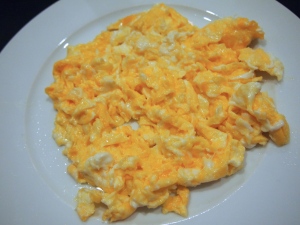
In a large wok or fry pan, heat 4 tablespoons of the peanut oil until very hot. Season the eggs with salt and pepper and pour into the wok. Scramble the eggs over high heat until just cooked through, about 1 minute. Transfer to a paper towel-lined plate.

Scrambled Eggs for Fried Rice

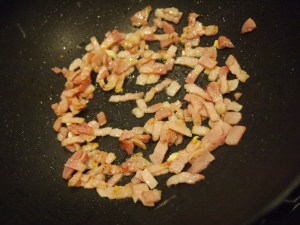
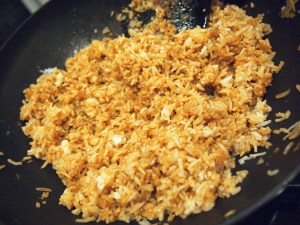
Add the bacon (or the pork if you are using it) to the wok and cook, stirring occasionally, until crisp, about 4 minutes. Using a slotted spoon, transfer the bacon to the plate with the eggs.  Heat the 3 more tablespoons of peanut oil in the wok. Add the garlic and ginger and cook over high heat for a couple of  minutes. Add the onion and cook until golden.

Stir in the rice wine and sugar and cook until the rice wine is reduced by half. Add the rice, oyster sauce, soy sauce, Maggie seasoning if using, sesame oil, reserved eggs, bacon and all but 2 tablespoons of the scallions. Season with salt and stir-fry until the rice is hot, about 2 minutes. Transfer to a serving bowl, sprinkle with the remaining scallions and serve.

Kylie Kwong Egg Fried Rice with Pork

Jan 8, 2016
mustardwithmutton

1 comment

Homemade Portuguese Custard Tarts

Bruno Pinho Portuguese Custard Tarts

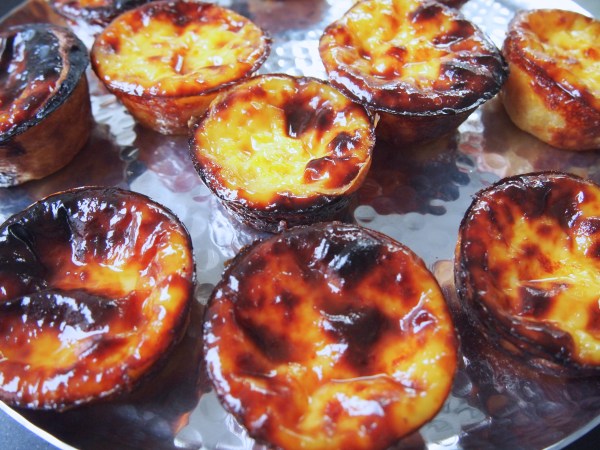
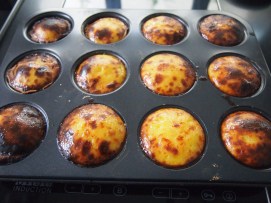
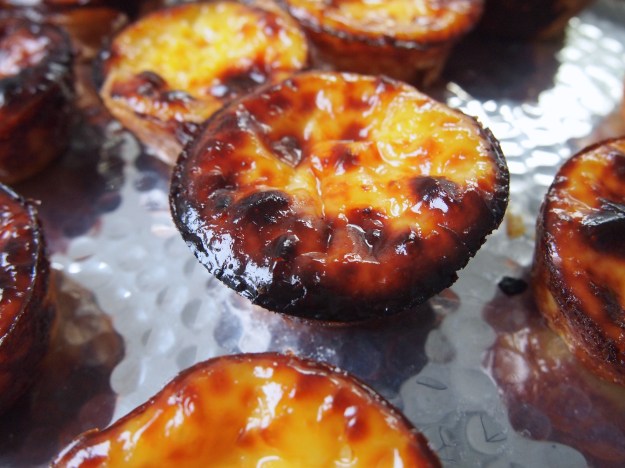
I don’t think I’ve ever met anyone who doesn’t like Portuguese custard tarts – flaky crisp pastry and just set silky custard are a winning combination. They are dangerously addictive and nothing beats a warm tart fresh from the oven of a good Portuguese bakery. I’ve never been tempted to bake Portuguese tarts as I didn’t think it’s possible to achieve the same results in a home oven but I came across a recipe by Bruno Pinho and decided to try them out to see how close I could get. I must say I was surprised by the results. Are they as good as tarts from a Portuguese bakery? Almost, they are pretty darn close, very delicious and surprisingly easy to make. Unlike most custards these tarts are cooked at a high temperature which results in the signature burnished marks that are caused by the skin that forms on the custard, similar to the skin that forms on heated milk, scorching. The other hallmark of a good Portuguese tart is the shiny sheen on the custard top, this is also achieved due to the high cooking temperature that causes some of the sugar to separate from the custard. Anyway that’s enough of the science, all you really need to know is that these are darn tasty!

Ingredients – Makes 12 tarts  Adapted from Bruno Pinho

For the sugar syrup
250g caster sugar
1 cinnamon stick
½ a lemon, whole peeled rind only

For the pastry & custard filling
25g plain flour, plus extra for dusting
12g cornflour
300ml milk
4 free-range egg yolks, plus 1 whole free-range egg
vanilla seeds from 1 vanilla pod
2 sheets ready rolled all-butter puff pastry

Method

Preheat the oven to its highest setting, or at least 230C.  My oven goes all the way to 275C but I settled on 240C (fan-forced). For the sugar syrup, bring the sugar, cinnamon and lemon rind to the boil in a saucepan with 250ml water. Reduce the heat until the mixture is simmering, then simmer for 3 minutes. Set the syrup aside until completely cool. Once cool, discard the cinnamon stick and lemon rind.

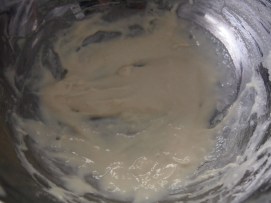
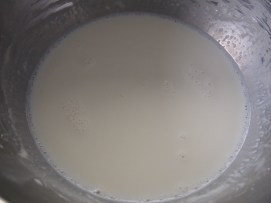
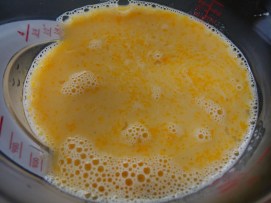
For the custard filling, mix the flours together in a bowl. Pour in a little bit of milk and stir until combined. Bring the remaining milk to the boil in a saucepan over low heat, stirring regularly. Gradually add the boiled milk to the flour mixture and whisk for 1 minute, or until smooth and well combined. Slowly whisk in the sugar syrup until well combined. Whisk in the egg yolks, whole egg and vanilla seeds until smooth and well combined. Set aside.


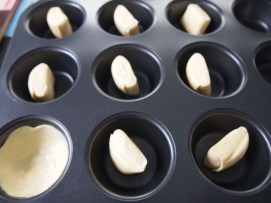
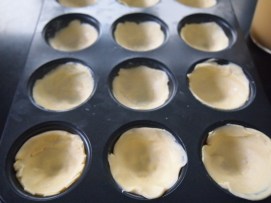
Place the two sheets of pastry on a floured surface one on top of the other, then roll the pastry as tightly as possible into a roll, brushing it from right to left with water as you go. Cut the pastry roll into 12 x 2cm thick discs. Place the discs in the holes of a muffin tin and massage them with a circular motion using a wet thumb, until the pastry rises up the sides of the holes in the tray. Make sure you don’t make any holes in the pastry.


Fill the pastry cases with the custard until they are almost, but not quite, full. Bake the custard tarts in the oven for 20 minutes, or until the pastry has risen and the surface of the custard is scorched. Set aside to cool for at least 10 minutes before serving to allow the custard to set slightly.

Bruno Pinho Portuguese Custard Tarts

Dec 23, 2015
mustardwithmutton

4 comments

A Great Side Dish for Christmas – Rick Stein’s Baked Pumpkin with Sun-Dried Tomato Paste & Crispy Onions

Rick Stein's Baked Pumpkin with Sun Dried Tomato Paste & Crispy Onions

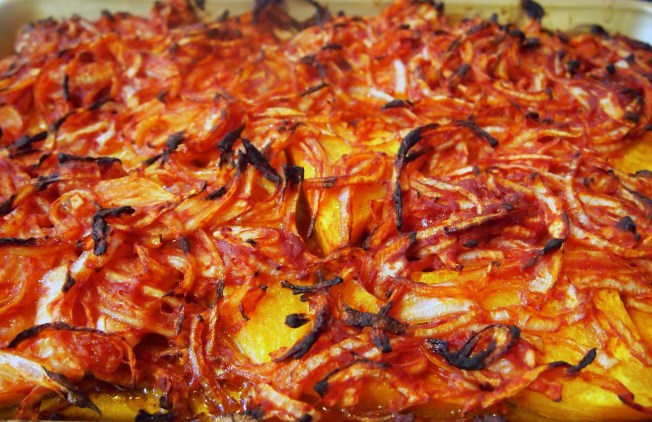
This recipe is from Rick Stein’s latest cook book, From Venice to Istanbul. The accompanying television series aired recently and I must say I’ve been cooking a lot of the featured dishes. This particular recipe is a real crowd pleaser and would make a great accompaniment to the Christmas turkey which I always think pairs well with pumpkin. The dish is called Sinkonta and is Turkish in origin, hence the use of Salca or sun-dried tomato paste, which is a staple in Turkish cooking – if you can’t source any just use normal tomato paste.  This is incredibly easy to throw together (another bonus for Christmas day) and a large tray of this will feed a crowd as a side dish and will satisfy any vegetarians you may have around the table. I find the sweetness of the pumpkins against the savoury tang of tomato paste addictively good.

Ingredients – Serves 8 as a side dish  Adapted from Rick Stein’s from Venice to Istanbul 

1 butternut pumpkin, peeled, seeded and cut into chunky slices – should be about 1kg of flesh
medium onions, halved and sliced
1½ teaspoons fine salt
6 tablespoons sun-dried tomato paste, you can replace with normal tomato paste
12 turns of black peppermill
2 tablespoons plain flour
150ml olive oil, plus extra for greasing

Method

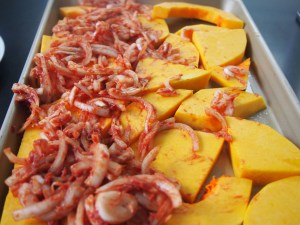
Heat the oven to 200C. Grease the base of a roasting tin or ovenproof dish and arrange the pumpkin slices in it. I used a shallow sided roasting tin and laid the pumpkin in a single layer.

Sinkonta - Rick Stein's Baked Pumpkin with Sun Dried Tomato Paste & Crispy Onions Sinkonta

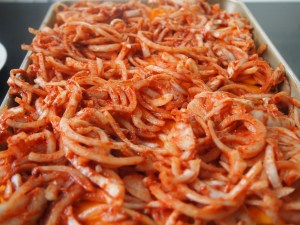
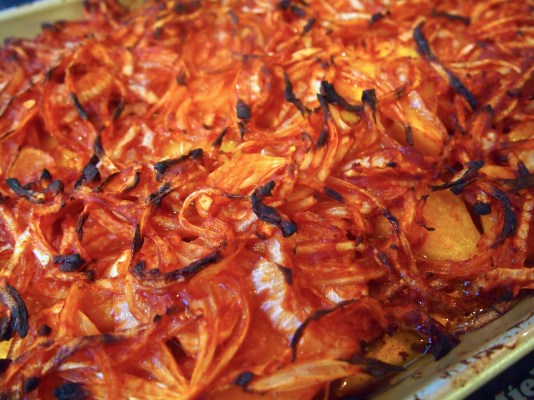
In a large bowl, mix the sliced onions with the salt. Massage the salt into the onions using your hands, to break them down a little. Mix in the tomato paste, black pepper and flour, making sure that the paste and flour is evenly distributed, again it’s best to use your hands. Then scatter the onion mixture all over the pumpkin. Drizzle the olive oil over the whole lot and bake for 30–40 minutes or until the onions are starting to brown and the pumpkin is tender. Serve hot or warm.

Turkish Sinkonta - Baked Pumpkin with Tomato Paste & Onions

Dec 16, 2015
mustardwithmutton

no comments

Ham & Cheese Buns Using Asian Milk Bread

Ham & Cheese Stuffed Bread Rolls

This is the most fantastic dough recipe! It’s so simple to make and yields perfect, soft, buttery bread every time. You can create a lot of different recipes from the basic dough, including cinnamon and raisin buns, dinner rolls and hamburger buns. The bread created from this dough is called milk bread and is very popular in Asia. If you’ve ever been to Chinese and Japanese bakeries and noticed all the different types of savoury and sweet snacks made from bread (one of the most unique being frankfurters wrapped in bread) this is the dough that is  used. When you first taste this bread you’ll think it’s a brioche dough but amazingly enough it contains no butter – pure genius! These buns are great with a cup of coffee for breakfast or as a snack, you could even make them slightly smaller and serve them as an appetiser. I sometimes replace the ham with mortadella which works really well, as would salami. Even if you’ve never made bread before you’ll be amazed by the professional looking and delicious tasting bread you’ll produce. I wish I could take credit for this recipe but that belongs to my favourite Asian food blog, Woks of Life.

Ingredients – Adapted from Woks of Life

⅔ cup heavy cream (at room temperature)
1 cup, plus 1 tablespoon milk (at room temperature)
1 large egg (at room temperature)
⅓ cup sugar
½ cup cake flour – or ½ cup plain flour with half a tablespoon of the flour replaced with corn flour
3½ cups bread flour or plain flour
1 tablespoon active dry yeast
1½ teaspoons salt
12 slices ham – I sometimes use mortadella or salami
12 slices cheese – I like to use provolone but a good cheddar would also be good
Egg wash: whisk together 1 egg with 1 teaspoon water
Simple syrup: 2 teaspoons of sugar dissolved in 2 teaspoons hot water
Method
In the bowl of a mixer, add the heavy cream, milk, egg, sugar, cake flour, bread flour, yeast, and salt. Use the dough hook attachment, and turn on the mixer to “stir.” Let it go for 15 minutes, occasionally stopping the mixer to push the dough together. If you’re in a humid climate and the dough is too sticky, feel free to add a little more flour, a couple of tablespoons at a time until it comes together. If you don’t have a mixer and would like to knead by hand, extend the kneading time by 5-10 minutes. After 15 minutes of mixing, the dough is ready for proofing. Cover the bowl with a damp towel and place in a warm spot for 1 hour.The dough will grow to 1.5 times its original size.
Dough for Asian Milk Bread Dough for Asian Milk Bread

After the hour of proofing, put the dough back in the mixer and stir for another 5 minutes to get rid of air bubbles. Dump the dough onto a lightly floured surface, and cut it into 12 equal pieces. Roll out each piece into a rough oval/rectangle shape, and lay the ham and cheese on top. Roll everything together into a log, and cut three slits into the top of each bun (about ½ inch deep). Continue assembling until all the buns are made. Cover with a clean, damp towel and allow to rise for another hour.

Ham & Cheese Buns Using Milk Bread Dough Ham & Cheese Buns Before Baking

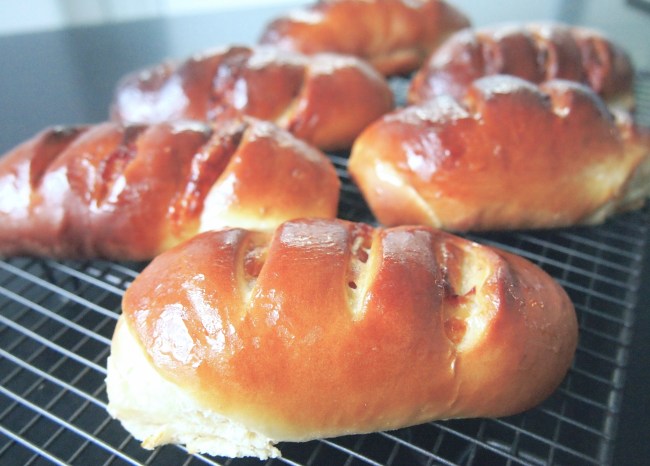
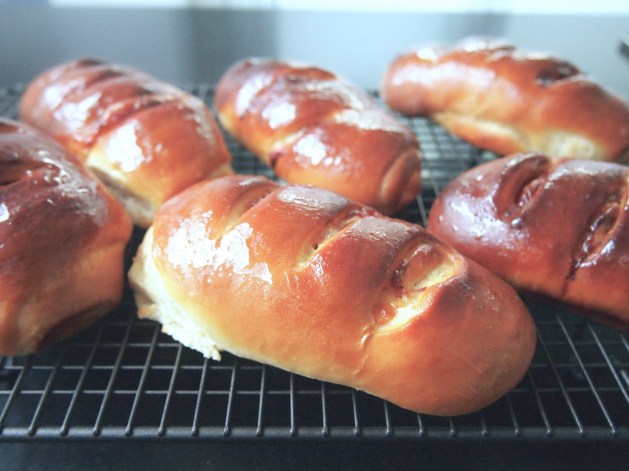
Preheat the oven to 180C. Brush the risen buns with egg wash and bake for 20-24 minutes until golden. Remove from the oven and brush the buns with sugar water to give them great shine, sweetness, and colour.

Asian Milk Bread - Ham & Cheese Rools

Dec 4, 2015
mustardwithmutton

1 comment

Ikan Bakar – Grilled Fish in Banana Leaves with Spicy Sambal Marinade

Ikan Bakar - Grilled Fish with Spicy Sambal Marinade

I’m always on the lookout for new things to cook on the barbecue to break up the monotony of steak, steak and more steak! Ikan Bakar is a popular Malaysian and Indonesian dish of grilled fish wrapped in banana leaves and marinated in a chilli sambal paste. I first tried it earlier this year when we were in Singapore at a food hawker centre and I’ve been craving it ever since. Ikan baker is quite easy to replicate at home with the only difficulty being sourcing fresh banana leaves. I actually found some at our local green grocer and most Asian grocery stores stock them but if you can’t find any just wrap the fish in foil, although doing so means you won’t get the fantastic aroma the banana leaves impart or the wonderful char it creates on the fish. I prefer to use a whole fish but you can also use fish fillets, any firm fleshed white fish will do, I particularly like a whole large snapper. All you need to accompany the ikan baker is lots of steamed rice and some sliced cucumbers.

Ingredients 

1 whole fish, scaled and gutted. Any firm fleshed white fish will work well. I like to use snapper
2 large fresh red chilies, deseeded and cut into small pieces
3 shallots, roughly chopped
2 cloves of garlic
1 lemongrass, white section only, finely sliced
½ teaspoon turmeric powder
1 tablespoon toasted belacan (Malaysian shrimp paste)
2 tablespoons tamarind puree or paste
½ teaspoon salt
1 tablespoon sugar
4 tablespoons oil
Banana leaves

Method

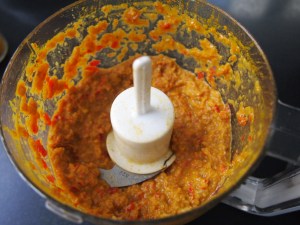
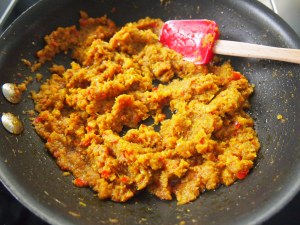
Place the chillies, shallots, garlic, lemongrass  and turmeric in a blender or mini food processor with a splash of water and blend until a smooth paste. Heat the oil in a small skillet or wok and when hot add the blended paste and cook over medium heat until fragrant and the oil is starting to separate from the paste. Add the Belacan and stir it into the paste until it is incorporated. Add the tamarind puree and cook for a further minute. Remove from the heat and stir in the salt and sugar. Set the sambal aside to cool to room temperature.

Ikan Bakar - Sambal Marinade Ikan Bakar Sambal Marinade

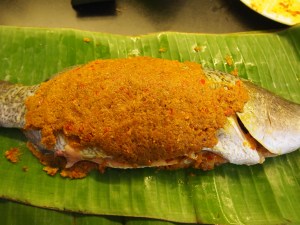
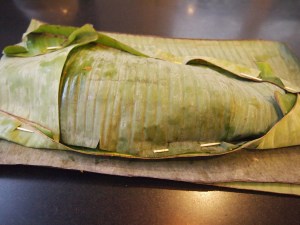
When the sambal has cooled down cut a few long diagonal slits into each side of fish.  Lay a banana leaf that is large enough to cover one side of the fish on the counter with the darker, shinier side of the leaf facing upwards. Place the fish on the banana leaf and spread the sambal  generously all over the fish and into the slits you have cut as well as in the cavity. I find it easiest to do this by hand wearing disposable gloves. Be generous with the marinade and really pile it on.  Take another sheet of banana leaf and place it in top of the fish to cover it, again with the darker side facing the fish. Use toothpicks to secure the banana leaves together and don’t worry about any large gaps between the toothpicks, the aim isn’t to steam the fish in the leaves, it’s just to ensure that they are attached together to make turning the fish on the grill easier.

Ikan Bakar Fish in Banana Leaves Ikan Bakar Fish in Banana Leaves

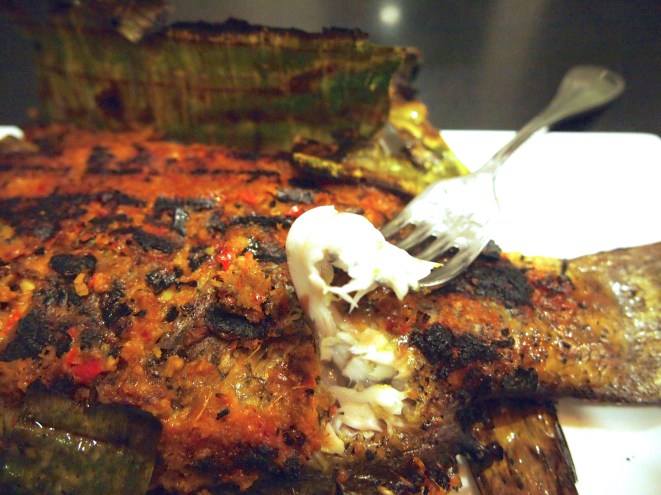
Heat your barbecue and when hot place the fish on the grill and cook for roughly 12 minutes per side (this should be enough time for a 1.2 kg fish) over a medium flame, turning once. The banana leaves make turning the fish very easy, don’t worry if the leaves look as though they are charring or if they split open a little. When the fish has finished cooking on the second side place it on a platter and remove the top banana leaf and serve straight away.

Ikan Bakar - Grilled Fish in Banana Leaves with Samabal Marnade